





Noise Control Windows & Doors
In many projects, noise is not a minor inconvenience—it directly affects comfort, productivity, privacy, and long-term usability of a space. Noise control window and door systems are specified when exterior or interior sound levels must be reduced to support how a building is actually used.
Rather than relying on a single product feature, effective noise control is achieved through careful system design and correct installation.
When Noise Control Becomes a Design Requirement
Sound-control window and door systems are typically considered in environments such as:
- Dense urban residential areas
- Buildings near highways, rail corridors, or flight paths
- Hospitality and short-term accommodation
- Studios, creative spaces, and conference rooms
- Medical, educational, and professional facilities
Each environment presents different sound frequencies and intensities, requiring different technical approaches.
How Sound Moves Through Openings
Sound travels as vibration. When it encounters windows or doors, it can pass through glass, frames, gaps, and surrounding construction. Reducing noise therefore requires attention to:
- Vibration control
- Air-tightness
- Material density
- Assembly detailing
Addressing only one of these elements is rarely effective.
Glazing Strategies for Noise Reduction
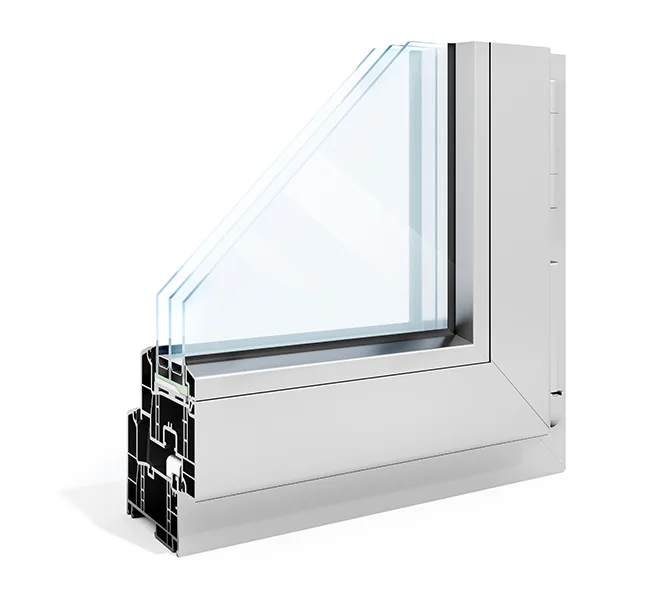
Sound-control glazing is often configured using:
- Laminated glass with specialized acoustic interlayers
- Unequal (asymmetrical) glass thicknesses
- Multi-layer glazing arrangements
These configurations are designed to disrupt sound wave transmission, particularly in mid- and low-frequency noise common in traffic and urban environments.
Frames, Sealing & Construction Details
Beyond the glass itself, sound performance is influenced by:
- Frame stiffness and mass
- Compression seals and gasket continuity
- Locking systems that maintain consistent pressure
- Integration with the wall opening
Even advanced glazing can underperform if surrounding details are not properly addressed.
Realistic Expectations About Noise Reduction
In building practice:
- Sound can be reduced, not eliminated
- Performance varies by noise type and frequency
- On-site conditions influence final results
Claims of “soundproof” windows or doors are misleading. Professional sound-control design focuses on measurable reduction and improved comfort, not absolute silence.
Windows & Doors as Part of a Broader Acoustic Approach
Noise control is most effective when window and door systems are coordinated with:
- Wall assemblies
- Insulation strategies
- Interior finishes
- Building orientation and layout
For this reason, sound-control products are typically specified in context, not in isolation.
Our Approach to Noise-Control Projects
We approach acoustic window and door solutions by:
- Understanding the source and nature of noise
- Reviewing suitable glazing and system configurations
- Aligning expectations with real-world performance
- Ensuring installation supports the selected design
Each solution is evaluated individually based on project conditions.
Installation Matters
Sound-control performance is highly sensitive to installation quality. Gaps, improper sealing, or misalignment can significantly reduce effectiveness. Professional installation is essential to achieving the intended outcome.
Learn more about our Windows & Doors Installation & Replacement page.
Important Clarification
Noise-control performance depends on system configuration, installation, and surrounding construction. No window or door system can completely block all sound. Final performance must be assessed based on tested assemblies and project-specific conditions.