

Smart Windows & Smart Glazing Solutions
Smart technologies are increasingly used in modern architecture to improve comfort, privacy, and daylight control. In window applications, it is important to distinguish between smart glazing technologies and complete smart window systems, as they serve different roles within a building.
At CanaBuild, our current focus is on smart glass solutions that can be integrated into suitable window systems based on project requirements.
Smart Windows vs. Smart Glass – Understanding the Difference
- Smart Glass refers specifically to the glazing technology that changes its properties—such as tint, opacity, or light transmission—when activated.
- Smart Windows refer to a fully integrated system, which includes smart glass, the window frame, electrical connectivity, control interfaces, sensors, and automation integration.
While smart glass is the core technology, a complete smart window requires coordination between multiple components and disciplines.
Our Current Focus: Smart Glazing Technologies
At this stage, CanaBuild provides smart glazing solutions that can be specified and integrated into appropriate window systems. These solutions are selected based on project intent, performance expectations, and design requirements.
Types of Smart / Switchable Glass Technologies
Electrochromic (EC) Glass – Dynamic Tinting
Electrochromic glass gradually transitions between clear and dark states when activated.
Key characteristics:
- Progressive tint adjustment
- Helps reduce glare and solar heat gain
- Can reduce reliance on curtains or blinds
- Suitable for large glass areas and façades
Often specified for high-end residential and commercial projects.
Polymer Dispersed Liquid Crystal (PDLC) Glass
PDLC glass switches instantly between transparent and opaque states.
Key characteristics:
- Privacy on demand
- Immediate switching
- Primarily for visual privacy rather than solar control
Commonly used in bathrooms, meeting rooms, clinics, and interior applications.
Suspended Particle Device (SPD) Glass
SPD glass allows rapid adjustment of light transmission.
Key characteristics:
- Fast response time
- Strong glare and light control
- Used in premium architectural and specialty applications
Smart Glazing Applications
Smart glazing solutions are commonly used in:
- High-end residential homes
- Modern architectural designs
- Offices and boardrooms
- Hotels and hospitality spaces
- Healthcare and institutional environments
They are often selected to maintain clean interiors while minimizing traditional shading systems.
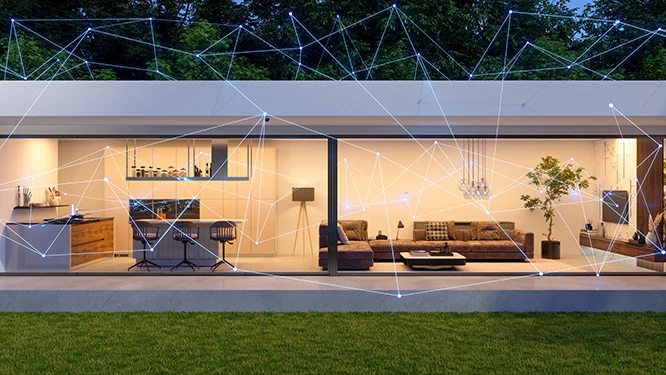
Smart Windows as a Complete System (Clarification)
A complete smart window system typically involves:
- Smart glazing technology
- Compatible window frame systems
- Electrical connectivity and wiring provisions
- Control interfaces (switches, apps, or automation platforms)
- Sensors or building management integration, where applicable
These elements must be designed and coordinated together to function as a single system.
Design & Integration Considerations
Smart glazing solutions require early-stage planning to address:
- glazing type and performance expectations
- compatibility with frame systems
- electrical coordination
- future automation or control requirements
Because requirements vary significantly, smart glazing is specified on a project-by-project basis.
Why Choose Smart Glazing
Smart glazing provides architects, designers, and property owners with flexible control over light and privacy while supporting contemporary design goals. It offers a forward-looking alternative to conventional shading methods without compromising aesthetics.
Professional Installation Available
Proper installation and coordination are essential to ensure smart glazing performs as intended. Our professional installation team works with project stakeholders to support accurate integration within the building envelope.
Learn more about our Windows & Doors Installation & Replacement page.
Important Note
Smart glazing behavior, compatibility, and performance depend on the selected technology and project conditions. Final suitability should be confirmed during the design and specification phase.